Organizers
Running Your First Esports Tournament in the US

Most Problems Are Decided Before Match One
A tournament is mostly logistics. The bracket is the easy part — what separates an event players return to from one they complain about is a set of decisions made weeks earlier, written down, and published where entrants can read them.
Six Decisions to Make Early
-
Pick the Format Before Anything Else
Format decides your schedule, your venue hours and your entrant cap. Single elimination is fast and brutal: half the field goes home after one match. Double elimination gives everyone a second life and is the default for most competitive brackets. Round robin or group stages into a bracket give the most games per entrant and the fairest seeding, at the cost of time.
Work backwards from the hours you actually have. A 32-team double elimination bracket is a long day; a 64-team one is a weekend.
-
Be Realistic About Online Versus LAN
Online removes venue cost and widens your entrant pool, but hands you no-shows, disputed results and connection arguments. Expect a meaningful share of registered players simply not to appear, and seed accordingly.
LAN solves disputes and makes a far better event, but adds venue, power, networking, hardware and staffing. Most first-time organisers should run online, learn the operational side, and move to LAN with an audience already built.
-
Publish the Ruleset Before Registration Opens
Write down, in advance: match length and format per round, map or stage selection, substitute rules, what constitutes a forfeit, the no-show timer, how disconnects are handled, device and peripheral rules, and who adjudicates a dispute.
Nearly every tournament controversy is a rule that existed only in the organiser’s head. Publishing it before entries open means players accepted it when they signed up.
-
Decide Eligibility Deliberately
Region, age, rank caps, roster locks and whether pros may enter are all choices that shape who turns up. Age matters more than organisers expect in the US: a minor’s participation and any prize paid to them may require parental consent, and school-affiliated events bring their own eligibility rules.
State the eligibility rules on the registration page, and collect what you need to verify them at sign-up rather than at payout.
-
Keep Live, Visible Standings
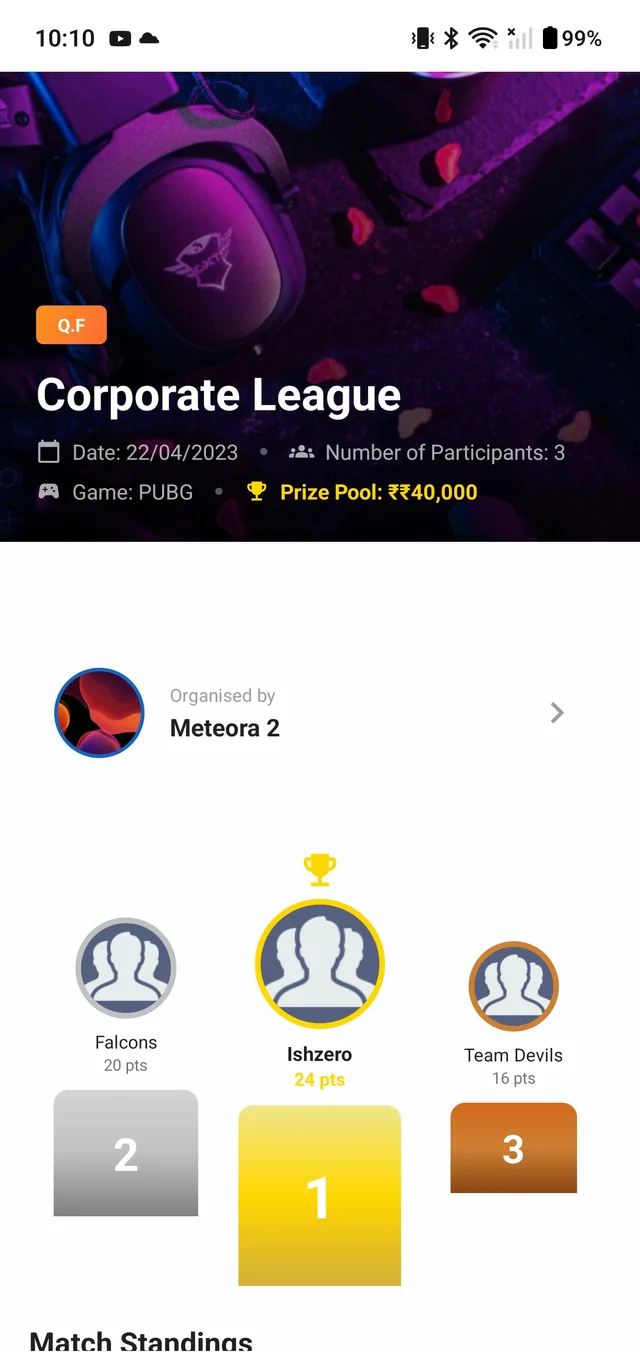
The single biggest difference between an event that feels organised and one that does not is whether players can see where they stand without asking. Published brackets and running standings cut your admin load dramatically, because most questions answer themselves.
It also leaves you with a verifiable record afterwards — which matters to players building a competitive history, and to you when you run it again next year.
-
Handle Prize Money Carefully
Decide and publish the full prize split before entries open, including what happens if the field is smaller than expected. If entry fees fund the pool, say so explicitly and say what the organisation keeps.
On the administrative side: US organisers paying prizes commonly collect tax information from winners before paying out, and prize income is generally reported on Form 1099-MISC rather than 1099-NEC, because a prize is not payment for services. Reporting thresholds change, payments to winners outside the US bring withholding rules of their own, and a pay-to-enter pool can raise questions that a sponsor-funded pool does not.
None of that is a substitute for advice. Confirm the current rules with the IRS and a qualified tax professional before you pay anyone.
Scoring and Standings, Handled
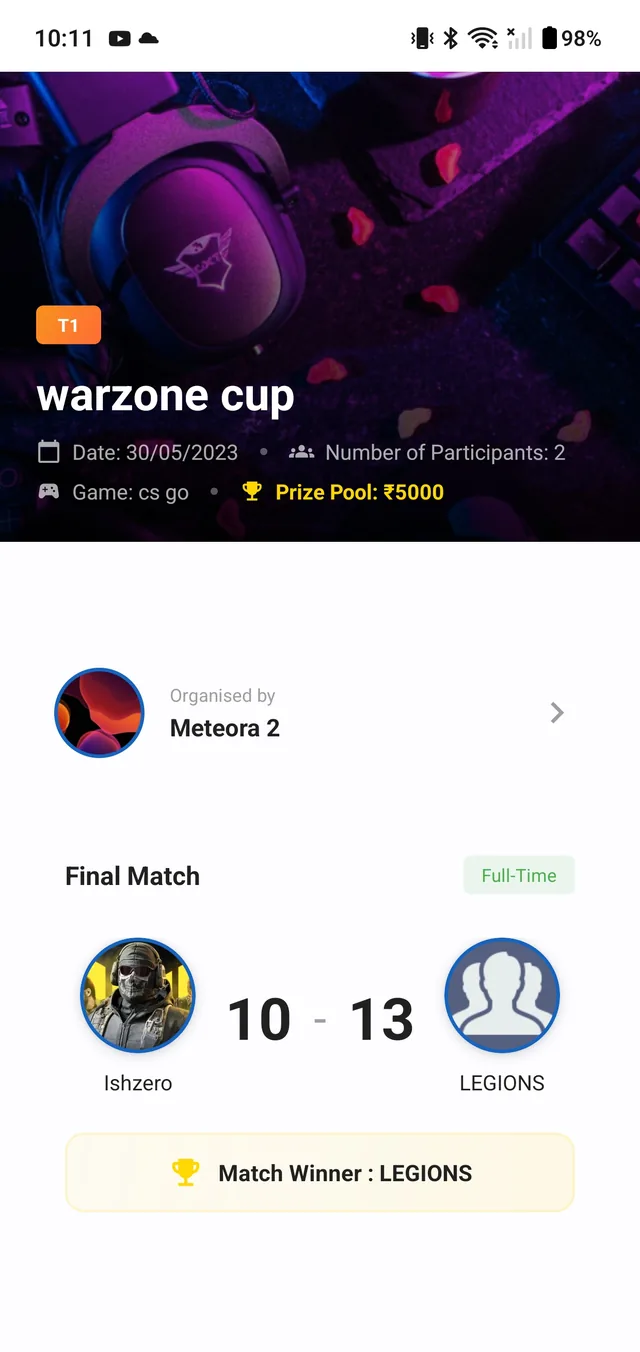
Senchou supports multiple match types and keeps standings as you score, so entrants can follow the bracket while you run the event — and every result stays attached to the players’ profiles afterwards.