Careers
Esports Careers in the US Beyond Going Pro
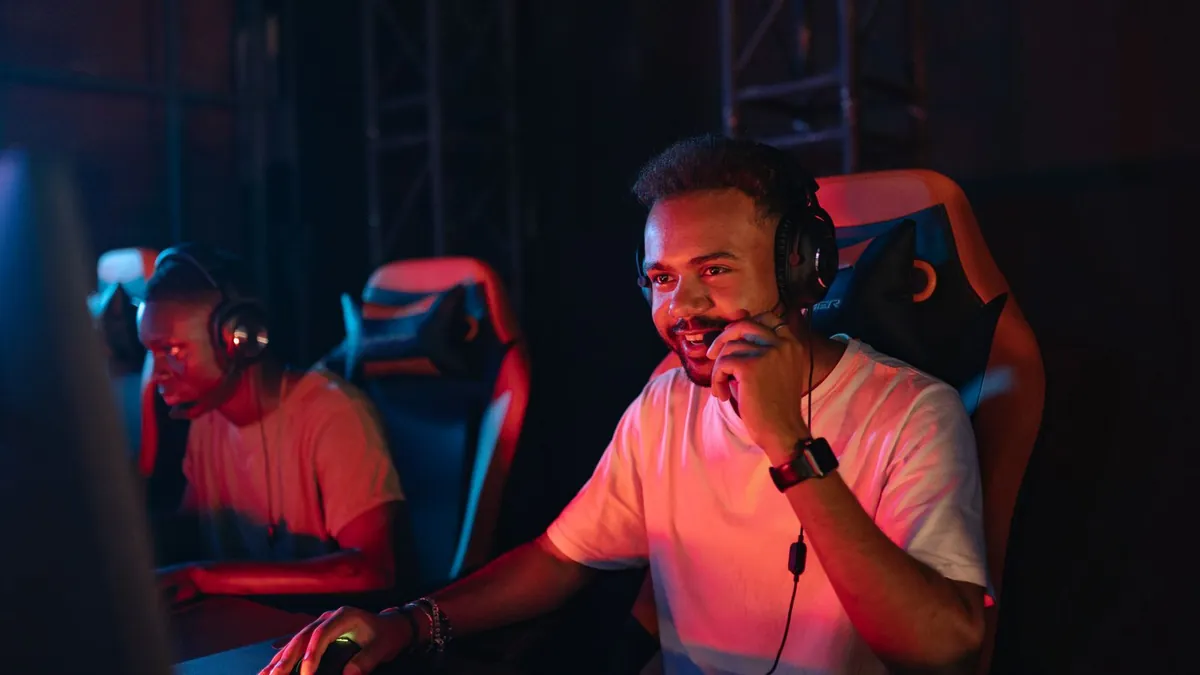
The Roster Is the Smallest Part of the Industry
Almost everyone who builds a career in esports does it without ever being on a starting roster. Competing at the top is a narrow window with brutal odds; the jobs around it are more numerous, last longer, and are reachable from where you already are.
Six Roles and How People Get Them
-
Coach
Coaches own preparation, review and the team’s decision-making. The work is scheduling scrims, running VOD review, managing five people who all believe they were right, and making the call on compositions and substitutions.
The common entry point is coaching a team one tier below where you want to be — a high school club, a collegiate squad, a semi-pro roster — and building a record of teams that measurably improved.
-
Analyst
Analysts turn match footage, scrim data and statistics into specific adjustments: what the opponent does on this map, where our economy breaks down, which rounds we lose and why. It suits people who like the game as a system.
You can start without being hired. Publishing clear written analysis of public matches is a portfolio, and it is how a lot of analysts get noticed.
-
Caster, Observer and Broadcast Production
A broadcast needs play-by-play and colour commentary, an observer directing the in-game camera, a producer running the show, and technical operators behind both. Observing in particular is an underrated, in-demand skill: it is the difference between a watchable stream and an unwatchable one.
Collegiate and grassroots broadcasts are the standard training ground, because they will let you on the desk long before a professional league will.
-
Team Operations and Management
Someone handles contracts, travel, scheduling, roster paperwork, sponsor deliverables and payroll. It is the least visible job in esports and one of the most consistently needed, because it is the function that keeps an organisation solvent.
Experience transfers into it from ordinary operations, project management and traditional sports administration more readily than from playing.
-
Content, Social and Community
Organisations are media businesses. Editing, short-form video, social management and community moderation are real roles with a clear portfolio path: the work you publish is the application.
This is the most accessible entry point on this list and the easiest to start today without anyone’s permission.
-
Event Operations
Tournaments need people who run brackets, enforce rulesets, manage players on site, handle venue and equipment, and adjudicate disputes. Local and collegiate events are usually short-staffed and will take volunteers.
It is the fastest way to meet everyone in a regional scene, which is how most of these jobs are actually filled.
Every Route Starts With a Track Record
What these paths have in common is that nobody hires on claims. Coaching results, published analysis, broadcasts you have run, events you have staffed — the evidence is the application. Keeping your competitive and organising history documented on Senchou means you have something concrete to point at when the opportunity appears.