Collegiate
How College Esports Recruiting Works in the US

A Real Pathway, With Real Caveats
Varsity esports has become a genuine route into a US university, with hundreds of institutions fielding teams and awarding aid to players. It is also widely misunderstood. Knowing how recruiting actually works is the difference between a scholarship conversation and a message that never gets answered.
Seven Things to Get Right
-
Learn Who Actually Runs College Esports
Collegiate esports in the US is not governed by the NCAA. The largest body is the National Association of Collegiate Esports (NACE), whose competition arm, NACE Starleague, runs league play across many game titles. The National Esports Collegiate Conference (NECC) is another route, and some conferences and individual publishers run their own college circuits alongside these.
Programs sit on a spectrum: fully funded varsity teams with paid coaches and dedicated facilities at one end, student-run clubs at the other. The label on a school's website does not always tell you which you are looking at, so ask.
-
Treat Scholarship Numbers With Care
Esports scholarships at US schools are real, but they are usually partial awards stacked with academic aid rather than a free ride. The size of an award varies enormously by institution, by title, and by how much the program is prioritised that year.
Totals quoted online are often several years old and count different things. Get the figure in writing from the specific program you are talking to, and ask whether it renews annually and what happens if you are benched or the roster changes.
-
Pick the Title You Will Be Recruited In
Schools recruit per game, not in general. A program may carry Valorant, Rocket League, Overwatch, League of Legends, Smash and more, but it only has roster spots where it actually competes. Being very good in a title the school does not field is worth nothing to that coach.
Check the current season's roster of titles before you invest a year in climbing a ladder that no one on the staff is watching.
-
Build a Record a Coach Can Verify
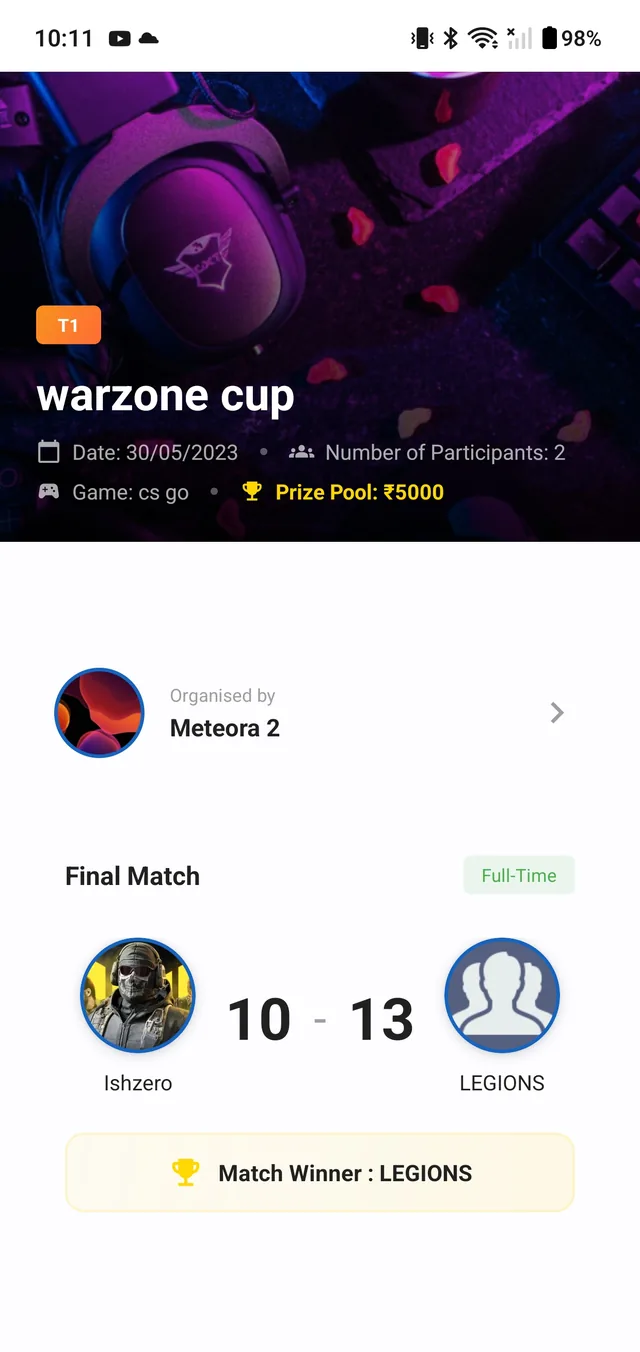
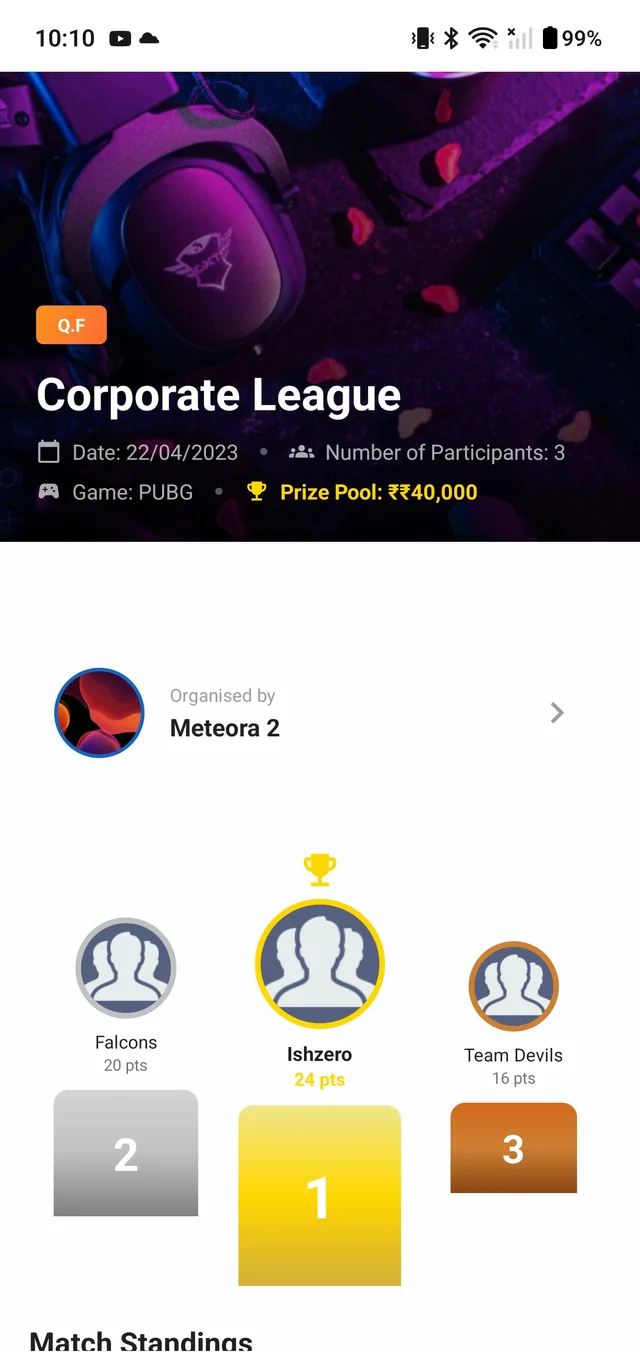
Rank screenshots are the weakest form of evidence a coach receives, because they show a number on one day with no context. What travels better is a documented competitive history: which events you entered, who you played, what the result was, and what role you filled.
Keeping that history as you go is far easier than reconstructing two years of scrims the week before you email a coach. This is exactly what a scored match record on Senchou gives you — a profile with results attached rather than claims.
-
Academics Are Still the Gate
Esports recruits are admitted as students first. A coach who wants you cannot enrol you if you miss the school's GPA or testing requirements, and most programs attach a minimum GPA to keeping your spot and your award once you are there.
Ask what the eligibility floor is before you commit, and treat it as the hard constraint it is.
-
Email Coaches Like a Candidate, Not a Fan
A useful first email is short and specific: your title and role, your current rank and region, your competitive history with links, your graduation year, your academic standing, and what you are asking for. Attach or link the record rather than describing it.
Send it to the named coach of the title you play. Follow up once, politely, after about two weeks.
-
Ask the Questions That Reveal a Real Program
Before you accept anything, ask: Is the coach full-time or a volunteer? Is the scholarship guaranteed for four years? What is the practice schedule, and is attendance mandatory? What happens to my aid if I stop starting? Does the program have a budget line, or is it funded year to year?
Programs that answer these clearly are the ones worth joining.
Keep a Record Worth Showing
Coaches recruit on evidence. Every match you score on Senchou adds to a profile that shows what you have actually played and how you performed — a record you can send a coach instead of asking them to take your word for it.